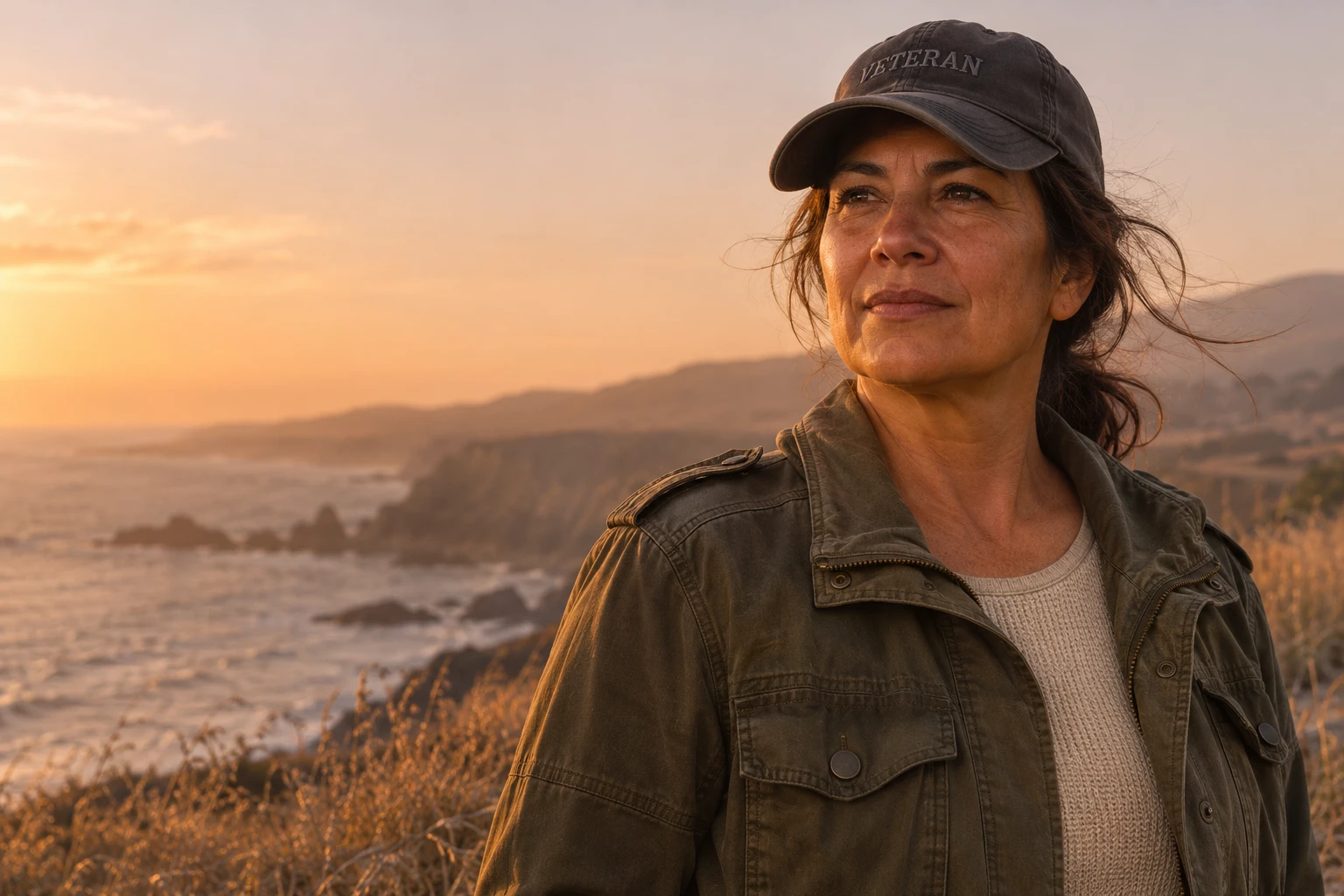
Illustrative veteran-focused lifestyle photograph.

Keratosis

Keratosis

Keratosis appears in the names of different skin growths or changes. Seborrheic keratoses are benign growths; actinic keratoses are precancerous changes. Some spots can look similar, so the full name and a professional examination matter.

Informational preview · Benefits and availability to confirm

BEYOND THE DEFINITION

A little context.
A clearer picture.

You don’t need the perfect words.
Understanding the basics can help you ask.

01

The full name matters

An actinic keratosis is a sun-damaged patch that can feel rough or scaly. These lesions often occur on exposed areas such as the face, scalp, or hands. They are considered precancerous because some can develop into skin cancer; assessment guides the appropriate next step. [3]

02

A different kind of growth

A confirmed seborrheic keratosis is a benign growth, often with a waxy or wart-like surface. That reassurance applies to an identified lesion, not every rough spot. Seborrheic keratoses can resemble actinic keratoses or skin cancer, so appearance alone should not settle the question. [1]

ALSO WORTH KNOWING [1] [2]

  • Different types have different implications.
  • Texture and color may vary.
  • Some growths resemble other skin conditions.

Do not assume a rough or raised spot is harmless. A clinician must identify the type. [1] [2]

THE CLINICAL CONVERSATION

What a clinician
may consider.

Have new patches assessed, particularly if a spot grows, bleeds, changes color, becomes tender, or forms a lump. A clinician may recommend specialist review and discuss treatment based on the type and number of lesions. Sun protection and monitoring remain important after assessment. [3]

Bring the context that matters to you—your routines, your priorities, and your experience after service.

Prepare for a care conversation

THREE QUESTIONS TO BRING

Make room
for your questions.

  1. Which type of keratosis do you think this is, and why?
  2. Does this spot need a closer examination or testing?
  3. What skin changes should I watch for after the assessment?

A FEW STRAIGHT ANSWERS

Good questions.
Useful context.

General information to help you prepare for a conversation about your own health.

Can sun protection replace an examination?

No. Protecting skin from ultraviolet exposure helps reduce further damage, but a new or changing patch still needs assessment. Do not use improvement as proof of a diagnosis. [3]

Are seborrheic keratoses contagious?

No. Confirmed seborrheic keratoses do not spread between people. More can develop over time, especially as people get older, but a changing growth still deserves attention. [1]

YOUR NEXT CHAPTER

Get to know
Northguard.

Five simple questions about what you’re looking for.
A clearer view of the proposed membership at the end.

Take health quiz PREVIEW ONLY · NO ACCOUNT OR PAYMENT

This is a preference quiz, not a health assessment or enrollment. No care or prescription is arranged.

READ A LITTLE FURTHER

Sources & further reading.

  1. American Academy of Dermatology: Seborrheic keratoses
  2. American Academy of Dermatology: Actinic keratosis diagnosis and treatment
  3. NHS: Actinic keratoses
Information for the conversation.

General education, not a diagnosis, treatment plan, or a list of confirmed Northguard services. A qualified clinician determines which assessment or care is appropriate.

References checked November 7, 2026. This content has not been clinically reviewed for Northguard.

Screen preview

Illustrative member experience screen

Design preview only. Final partner screens and access will be confirmed before enrollment.