
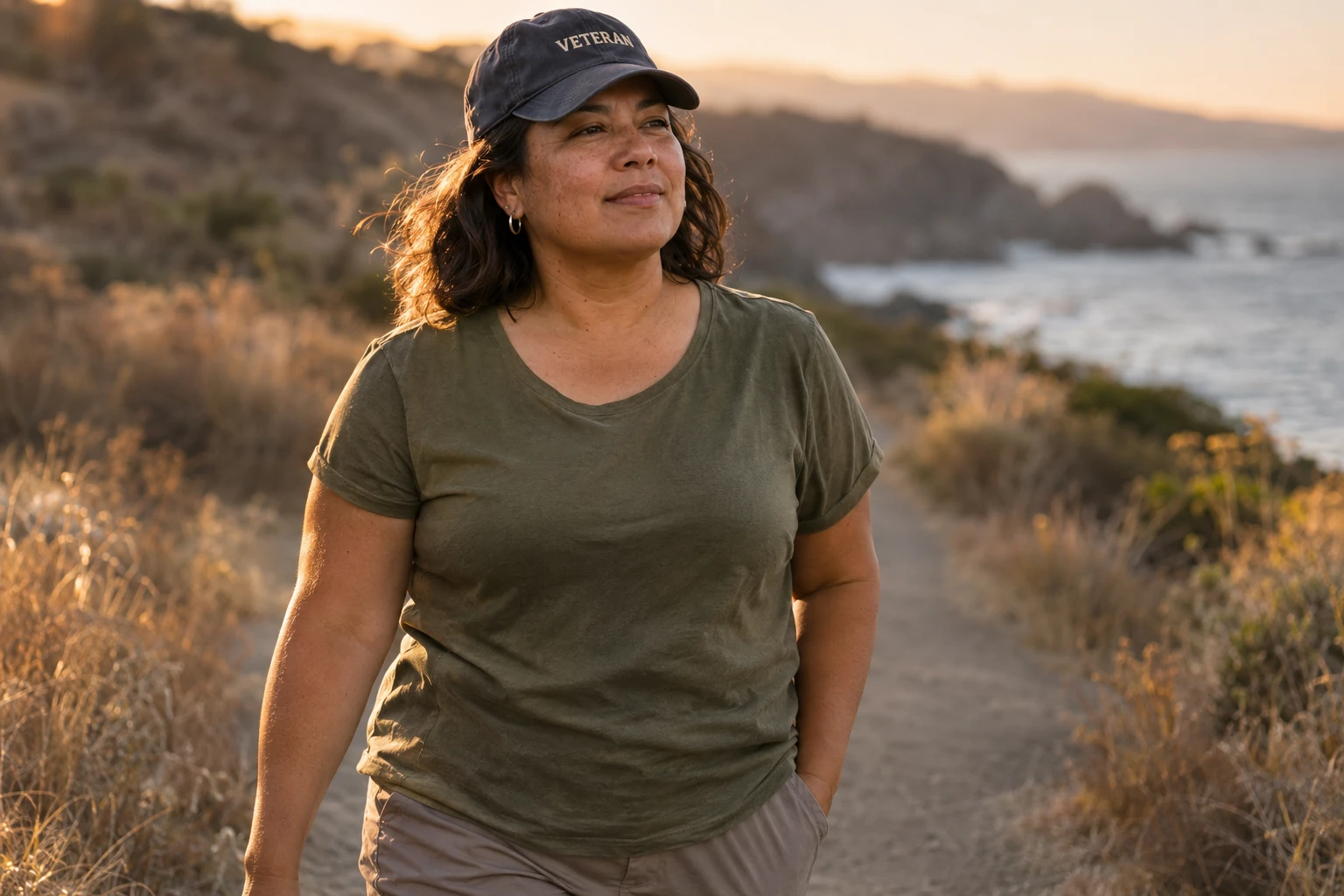
Illustrative veteran-focused lifestyle photograph.

Obesity

Obesity

Obesity is a health condition involving excess body fat that can increase the risk of other health problems. Body weight is influenced by multiple factors, including genetics, health conditions, medicines, and everyday circumstances.

Informational preview · Benefits and availability to confirm

BEYOND THE DEFINITION

A little context.
A clearer picture.

You don’t need the perfect words.
Understanding the basics can help you ask.

01

Health has more than one influence

Obesity is a complex health condition involving excess body fat. Genetics, medicines, health conditions, environment, and daily habits can contribute. A useful conversation considers those influences and health risks together, without treating weight as a measure of character or effort. [1]

02

A plan can have several parts

Care may include nutrition and activity support, a structured weight-management program, medicines, or surgery when appropriate. Different approaches suit different situations. Working with a healthcare professional can help set realistic goals and decide what support is needed over time. [2]

ALSO WORTH KNOWING [1]

  • Weight history provides more context than one measurement.
  • Medicines and medical conditions may contribute.
  • Care can consider health, function, and individual goals.

A body-size measure alone does not describe the whole person or determine an appropriate care plan. [1]

THE CLINICAL CONVERSATION

What a clinician
may consider.

A clinician may discuss earlier approaches, current health concerns, and the support needed to follow a plan. Goals and timing should be individualized. If a medicine or procedure is considered, ask how it fits with ongoing nutrition, activity, and follow-up rather than assuming it stands alone. [2]

Bring the context that matters to you—your routines, your priorities, and your experience after service.

Prepare for a care conversation

THREE QUESTIONS TO BRING

Make room
for your questions.

  1. Which health goals should guide our plan beyond a number on the scale?
  2. What factors in my history may affect the options?
  3. What ongoing support and follow-up would this approach involve?

A FEW STRAIGHT ANSWERS

Good questions.
Useful context.

General information to help you prepare for a conversation about your own health.

Is obesity explained by willpower alone?

No. Weight is influenced by several biological, medical, and environmental factors. A respectful assessment looks at those influences and your health, rather than making assumptions about effort. [1]

Does everyone with obesity need a prescription?

No. Care options vary, and lifestyle support is often part of treatment. A healthcare professional determines whether medication or another approach is appropriate for the individual. [2]

YOUR NEXT CHAPTER

Get to know
Northguard.

Five simple questions about what you’re looking for.
A clearer view of the proposed membership at the end.

Take health quiz PREVIEW ONLY · NO ACCOUNT OR PAYMENT

This is a preference quiz, not a health assessment or enrollment. No care or prescription is arranged.

READ A LITTLE FURTHER

Sources & further reading.

  1. MedlinePlus: Obesity
  2. NIDDK: Treatment for overweight and obesity
Information for the conversation.

General education, not a diagnosis, treatment plan, or a list of confirmed Northguard services. A qualified clinician determines which assessment or care is appropriate.

References checked November 7, 2026. This content has not been clinically reviewed for Northguard.

Screen preview

Illustrative member experience screen

Design preview only. Final partner screens and access will be confirmed before enrollment.